Getting next-generation cancer diagnostics to patients faster for improved outcomes


NG-Dx is accelerating early cancer detection by developing scalable diagnostics, standardised workflows and multi-omics data frameworks.

Early detection remains one of the most powerful ways to improve cancer outcomes. Yet in the UK, around half of cancers are still diagnosed too late for optimal treatment. At the same time, advances in areas such as circulating tumour DNA (ctDNA), proteomics and multi-omics analysis are opening up new possibilities for earlier and more precise diagnosis. While the scientific potential for diagnostics is vast, the challenge lies in the translation of these promising technologies.
Despite a strong UK research base, many promising diagnostic technologies fail to progress beyond the lab. Fragmented development pathways, inconsistent standards, and complex adoption routes mean innovation is often slow to reach patients. For industry, the risks associated with scaling and validating new diagnostics can be prohibitive. For healthcare systems, uncertainty around implementation and impact can delay uptake.
To address these challenges, CPI is leading the Next-Generation Cancer Diagnostics programme (NG-Dx), a £5 million initiative funded by the Office for Life Sciences. Launched in January 2026, the 18-month programme brings together industry, clinicians, patients and technology providers in a coordinated, pre competitive effort to accelerate early cancer detection.
NG-Dx is designed to tackle the systemic barriers that have historically limited progress. Rather than treating adoption as a downstream consideration, the programme builds clinical, patient, and commercial considerations into programme design from the outset. This ensures that innovation is both scientifically robust and viable in real-world healthcare settings.
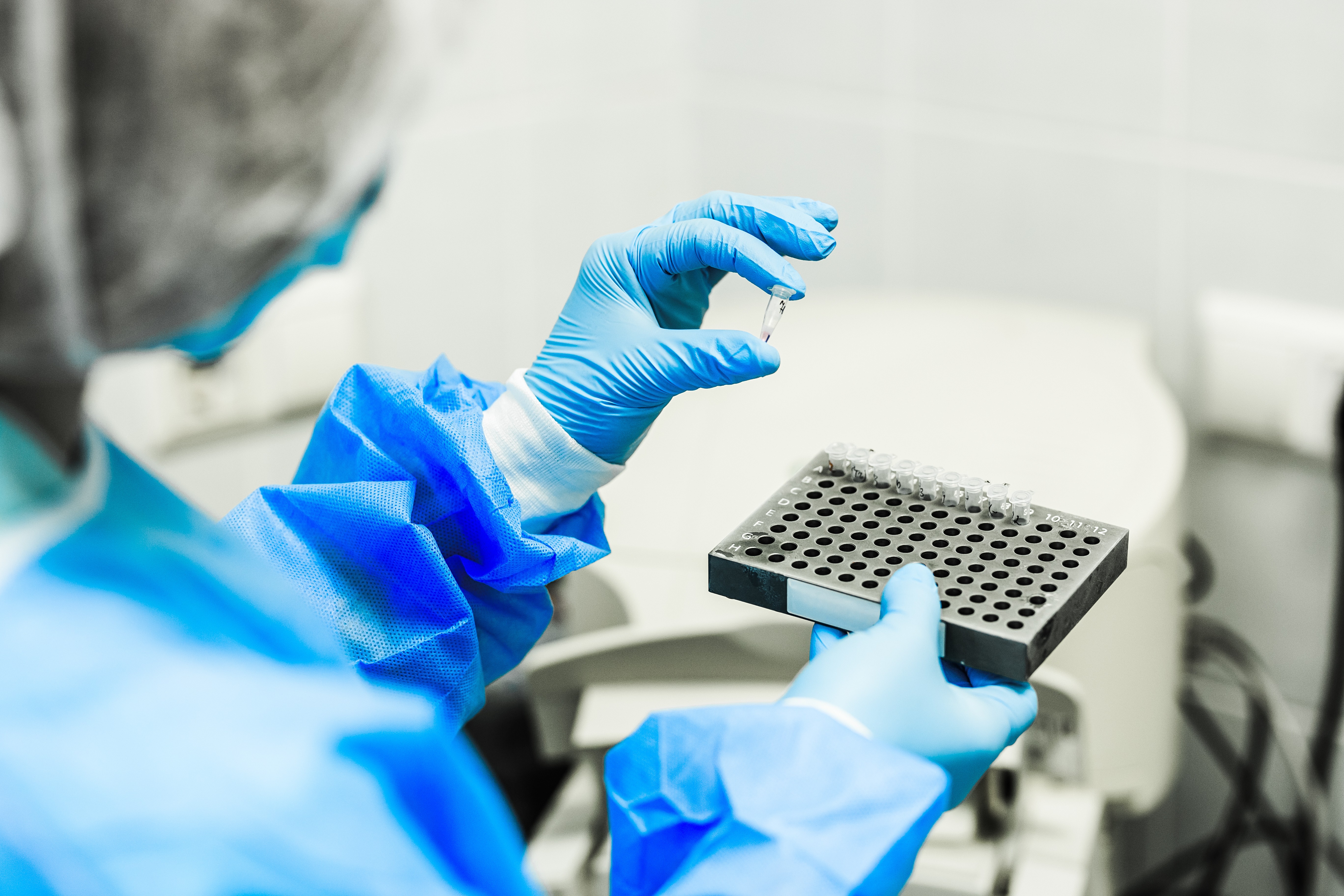
At the heart of the programme is a focus on building the foundations required for scalable, clinically-relevant diagnostics. During its first phase, NG-Dx is developing optimised, standardised sample preparation workflows for ctDNA and proteomic analysis, which are critical to ensuring the reliability and reproducibility of early-stage biomarker detection. Alongside this, the programme is establishing a multi-omics data architecture, supported by an AI-enabled quality control model, to enable the integration and interpretation of complex datasets at scale.
These technical outputs are being shaped through continuous engagement with scientific, clinical, industrial and patient communities. Structured panels and governance ensure that development is guided by four core requirements: scientific robustness, clinical utility, industry investment potential, and patient trust and acceptance. This approach helps ensure that outputs are not only technically sound, but also meaningful, implementable and investable.
A key differentiator of NG-Dx is its focus on translation as a shared challenge. By creating a pre-competitive environment, the programme enables organisations to collaborate on common barriers while retaining the ability to compete at the product level. This reduces duplication, aligns standards and accelerates progress across the ecosystem.
Industry engagement is central to this model. Partners from diagnostics, pharmaceuticals and digital technology are actively shaping programme outputs and contributing to workflow design, technology assessment and data architecture development. This early involvement helps build confidence in the pathway from innovation to adoption, strengthening the business case for future investment and commercialisation.
For government and funders, NG-Dx provides a mechanism to demonstrate clear return on public investment. By aligning with NHS priorities and national life sciences strategy, the programme supports both improved patient outcomes and economic growth. It also positions the UK as a global leader in next-generation diagnostics, with the potential to attract additional private-sector investment and international collaboration.
For patients and the public, the programme places a strong emphasis on transparency and trust. Engagement is embedded throughout, ensuring that factors such as accessibility, equitable access, and the burden of testing are considered alongside technical performance. This is critical to building confidence in new diagnostic approaches and supporting widespread adoption.
As the programme progresses, NG-Dx will generate a series of tangible outputs, including standardised workflows, technical feasibility studies and data frameworks, alongside a growing partner ecosystem and evidence base. These will support the transition into future phases focused on clinical translation, validation and scale-up.
By connecting scientific innovation with real-world application, CPI is helping to unlock the full potential of next-generation diagnostics. In doing so, we support a future where cancer is detected earlier, treatment decisions are better informed, and more patients benefit from timely, effective care.

