A decade of advanced biologics at CPI


Celebrating 10 years of CPI’s National Biologics Manufacturing Centre in Darlington, advancing biologics innovation and manufacturing.

In 1825, Darlington helped change the world. Crowds gathered near Skerne Bridge to witness an extraordinary moment in history: Locomotion No. 1 pulling the first passenger train along the Stockton and Darlington Railway. What began as an ambitious experiment to transport coal soon became a model for railway networks across the globe, transforming how people, goods and ideas moved between communities.
Two centuries later, Darlington is once again part of a story of industrial transformation. In 2025, the town celebrated not only 200 years of rail, but also 10 years of CPI’s National Biologics Manufacturing Centre – a facility helping accelerate the development and manufacture of next-generation medicines.
This milestone was marked on 4 November 2025 with a 10th anniversary celebration event, bringing together partners, collaborators and colleagues who have contributed to the centre’s journey, reflecting both on what has been achieved, and the role Darlington continues to play in shaping the future of biologics manufacturing.
While steam locomotives and biologic medicines may seem worlds apart, both represent moments when innovation reshaped the possibilities of their time. Today, biologics and advanced therapies are opening new frontiers in healthcare, offering the potential to treat diseases that were once thought untreatable.
Over the past decade, CPI’s biologics centre has played an important role in helping the UK turn that scientific promise into practical capability.
Building a national capability
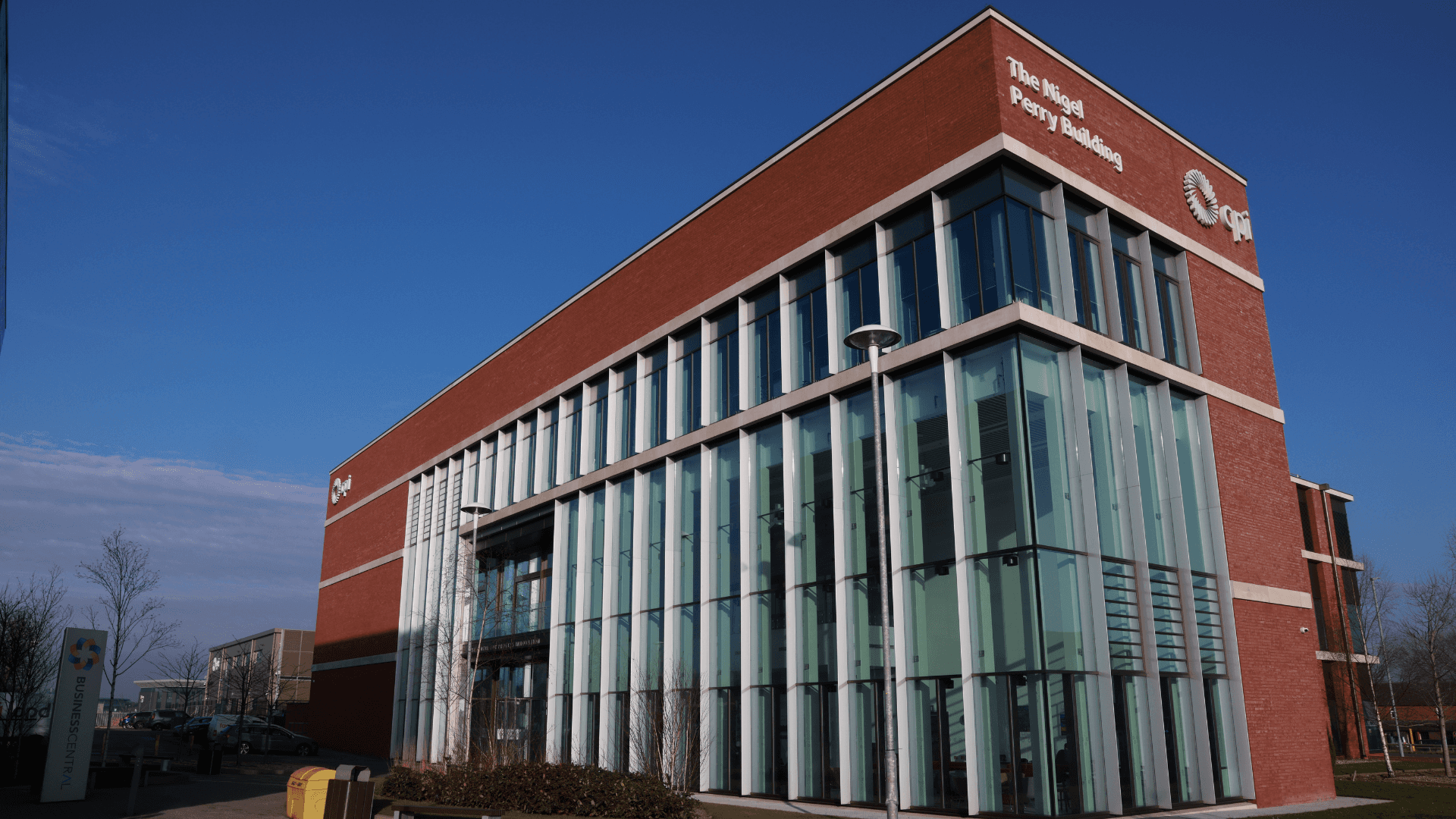
Construction of CPI’s National Biologics Manufacturing Centre began in 2014 at Darlington’s Central Park, supported by a £38 million investment from the UK government’s Strategy for Life Sciences. When the centre opened in 2015, the goal was clear: to help the UK scale up the development and manufacture of complex biologic medicines.
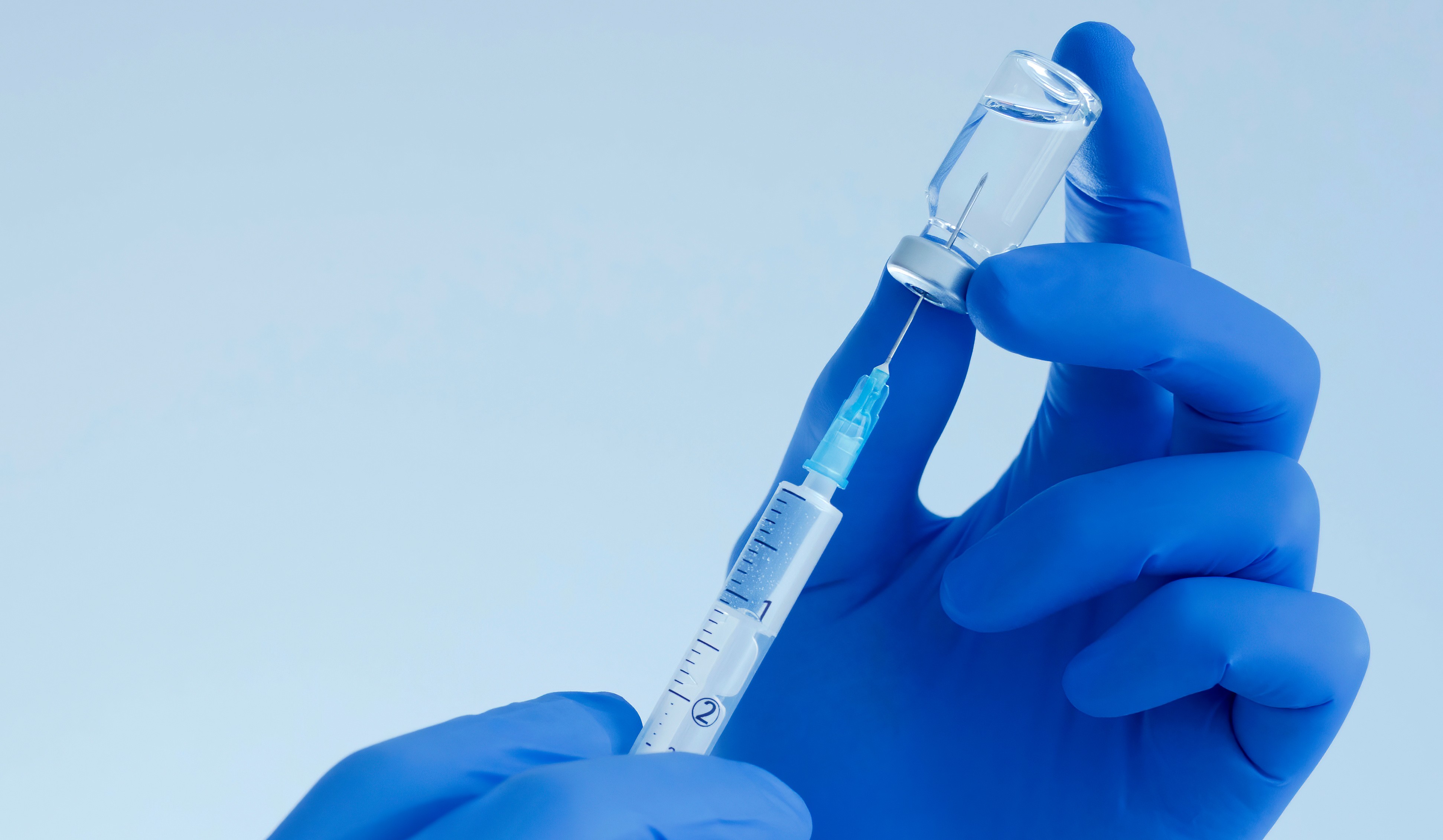
Biologics, including monoclonal antibodies, vaccines and recombinant proteins, have become some of the most powerful tools in modern medicine. But they’re also among the most complex therapies to develop and manufacture.
CPI was created to help bridge the gap between scientific discovery and industrial production. The biologics centre provides open-access facilities where companies, researchers and partners can collaborate to develop and scale innovative therapies.
Ten years on, the centre has grown from a team of just 16 people into a thriving hub of more than 90 scientists, engineers and specialists. Over the past decade, CPI’s biologics team has worked with more than 220 organisations, delivering over 250 research and development projects valued at more than £97 million. Each year, the team supports around 40 new products or manufacturing processes for partners ranging from emerging biotech companies to global pharmaceutical organisations.
In recognition of its impact, the building was officially named the Nigel Perry Building in 2024, honouring CPI’s founding CEO and the vision that helped establish the centre.
Collaboration driving innovation
A defining feature of CPI’s work is collaboration. By providing a neutral, non-competitive environment, the centre enables organisations of all sizes to work together to overcome technical challenges and accelerate the development of new medicines. Over the past decade, these partnerships have supported a wide range of innovations.
Working with Touchlight Genetics, CPI helped scale a cell-free DNA technology platform that enables faster and more flexible production of genetic material used in advanced therapies and vaccines. In another project, CPI collaborated with Intract Pharma, SGS Quay Pharma and Pharmidex on the Soteria programme, developing the world’s first oral infliximab capsule for inflammatory bowel disease.
These examples demonstrate how shared expertise, infrastructure and collaboration can help transform promising scientific ideas into real-world medical solutions.
Transforming how biologics are manufacture
Alongside advances in therapeutic science, the technologies used to manufacture biologics have also evolved significantly over the past decade.
Traditional biologics manufacturing relied heavily on large, resource-intensive batch processes. Today, the industry is increasingly adopting more agile and efficient approaches, including process intensification, continuous bioprocessing, and digitally-enabled manufacturing systems.
Process intensification enables manufacturers to produce more product from smaller systems by increasing productivity within bioreactors and integrating downstream processing steps. Continuous manufacturing approaches streamline production workflows, enabling greater consistency and efficiency.
Together, these approaches can significantly increase productivity while reducing manufacturing costs and facility footprint. Smaller, more efficient facilities also bring important sustainability benefits, reducing energy use, water consumption and waste.
Digital technologies are further accelerating this transformation. Real-time monitoring, automation and advanced data analytics enable manufacturers to monitor processes continuously, optimise performance and make faster, data-driven decisions.
At CPI, integrated testbeds for intensified and continuous bioprocessing allow companies to evaluate and de-risk these new manufacturing approaches before adopting them at commercial scale. This helps partners reduce technical risk, improve process performance and bring new therapies to patients more quickly.
Anchoring regional innovation
While CPI’s work in this area has global reach, its roots remain firmly in Darlington and the wider Tees Valley. Over the past decade, the biologics centre has helped strengthen the region’s life sciences ecosystem through partnerships with organisations such as Fujifilm Diosynth Biotechnologies and Teesside University’s National Horizons Centre.
These collaborations support skills development, attract investment and create high-value jobs, helping ensure that innovation delivers tangible benefits for local communities.
This regional impact reflects a long-standing tradition of industrial progress in Darlington. Just as the Stockton and Darlington Railway helped transform the town into a hub of engineering and manufacturing in the 19th century, today’s life sciences infrastructure is helping position the region at the forefront of modern biotechnology.
Looking to the future
Ten years after the opening of CPI’s National Biologics Manufacturing Centre, the pace of innovation in biologics shows no sign of slowing. New therapeutic approaches, advances in digital technologies and more sustainable manufacturing methods are continuing to reshape how medicines are developed and produced.
For the UK, maintaining leadership in this rapidly evolving field will require continued investment in infrastructure, skills and collaboration. CPI’s biologics centre was established to help deliver exactly that – providing the capabilities, partnerships and expertise needed to translate scientific breakthroughs into real world medicines.
As Darlington celebrates two centuries since the first railway journey, it is fitting that the town continues to play a role in shaping the future of industry and innovation. From steam locomotives to advanced biologics, the spirit of experimentation and progress that defined Darlington’s past continues to drive its future. And after a decade of biologics innovation at CPI, the journey is only just beginning.