Building the UK’s RNA capability


CPI is helping position the UK at the forefront of RNA innovation through advanced manufacturing, skills development and national infrastructure.
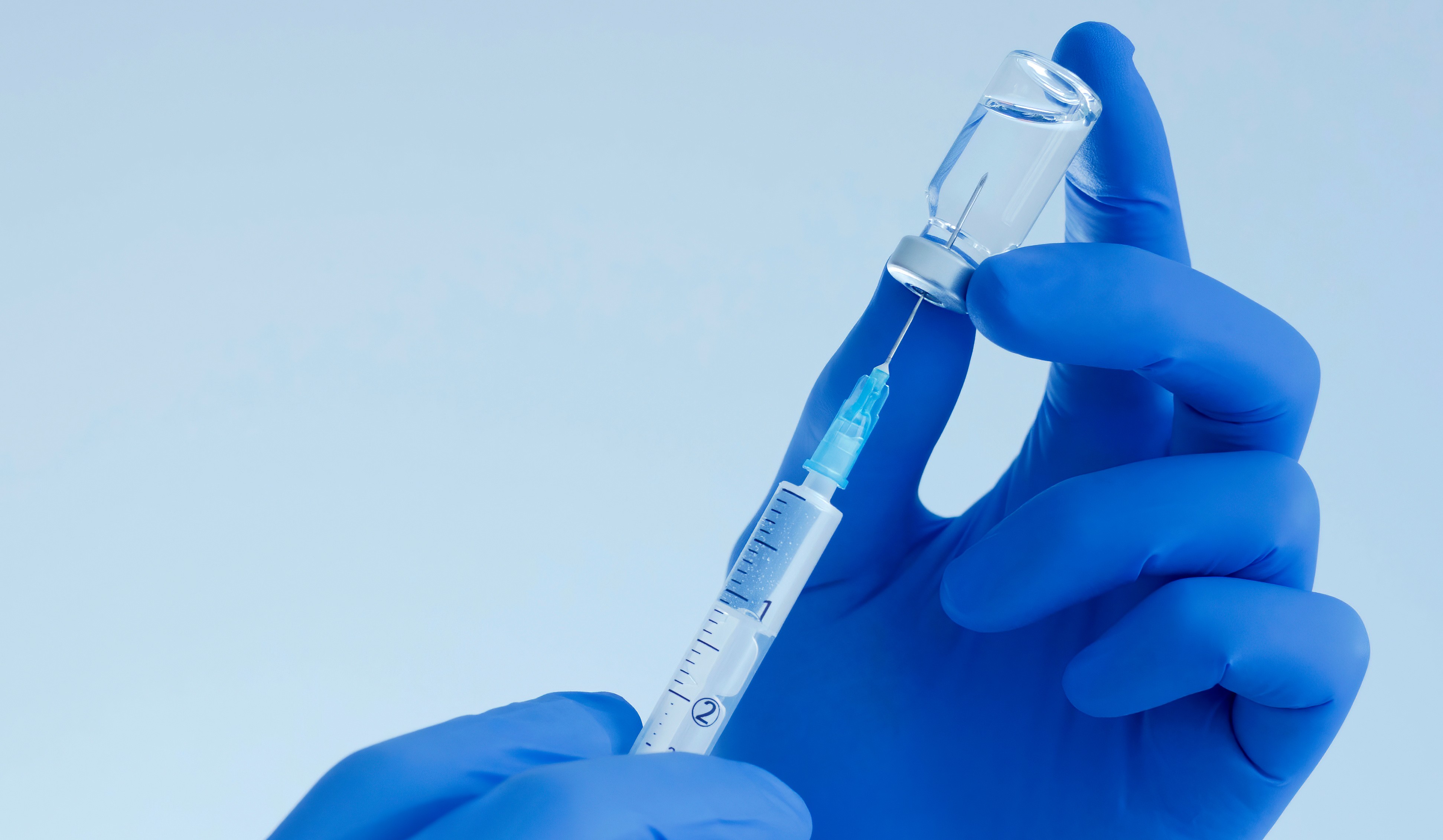
RNA technologies are transforming what’s possible in modern medicine. From vaccines developed in record time to therapies that train the body to fight cancer or rare diseases, RNA has opened the door to a new generation of treatments that are faster to design, more adaptable and increasingly personalised.
The success of mRNA vaccines during the COVID-19 pandemic demonstrated the power of this technology on a global stage. But it also highlighted an equally important need: for countries to have the capability to develop and manufacture advanced medicines within their own borders.
At CPI, we recognised RNA’s potential early. Over the past decade, we have built capabilities, facilities and expertise that now position the UK at the forefront of RNA innovation. From supporting the national pandemic response to developing new infrastructure, training the workforce and connecting the RNA ecosystem, CPI is helping ensure the UK remains a global leader in this rapidly evolving field.
From pandemic response to long-term capability
During the COVID-19 pandemic, RNA technologies proved their value in an unprecedented way. The ability to design, develop and manufacture vaccines quickly became essential to protecting public health.
CPI played an important role in that effort. As part of the UK Government’s Vaccine Taskforce, CPI worked with partners including Imperial College London to support the development and scale-up of RNA vaccine candidates. This demonstrated both the potential of RNA technologies and the importance of having the infrastructure and expertise available to respond quickly when needed.
That experience helped shape the next phase of investment in the UK’s RNA capability. In 2022, CPI announced the creation of a new RNA Training Academy, supported by £10.65 million of funding from the Vaccine Taskforce. The initiative was designed to address a growing challenge for the life sciences sector: the shortage of skilled professionals able to develop and manufacture RNA medicines.
The following year, CPI opened the £26.4 million RNA Centre of Excellence in Darlington, building on the capabilities of its National Biologics Manufacturing Centre. The facility was designed to accelerate the development, scale-up and manufacture of next generation RNA vaccines and therapies.
Together, these investments created a unique national capability combining research, process development, manufacturing and workforce development in a single location.

A national hub for RNA innovation
The RNA Centre of Excellence provides open-access infrastructure that enables academic researchers, biotech companies, and pharmaceutical organisations to advance promising RNA innovations towards clinical trials.
At launch, the centre became the only open-access facility in the UK capable of producing lipid nanoparticle-encapsulated messenger RNA (mRNA) and self-amplifying RNA (saRNA) therapies for early-phase clinical studies with an MIA (IMP) licence from the MHRA approved in 2024. The facility integrates product development, process development, scale-up and clinical production on a single site – helping innovators move from discovery to clinical manufacture more efficiently and playing a critical role in bridging the gap between scientific discovery and real-world medicines.
During this year, material produced at the centre was used in clinical trials for the first time, marking an important milestone in translating its capabilities into real-world support for innovators. The centre is also designed with flexibility in mind. RNA technologies enable the rapid development of new vaccines and therapies and their adaptation to emerging health threats. If required during a future health emergency, the facility has the capacity to produce millions of vaccine doses to support a rapid national response.
Just as importantly, the centre enables organisations across the life sciences sector to explore new applications of RNA technologies, from vaccines for infectious diseases to emerging areas such as personalised cancer immunotherapies.
Accelerating innovation through the UK RNA Biofoundry
The UK’s commitment to strengthening its RNA capability took a further step forward in 2025 when the government selected CPI to host the UK RNA Biofoundry, backed by £29.6 million of investment from the Office for Life Sciences and delivered through Innovate UK.
Located within CPI’s RNA Centre of Excellence, the Biofoundry will act as a national hub for RNA innovation and manufacturing. Its purpose is to help researchers and companies translate promising RNA science into clinical-grade materials more quickly and efficiently.
Manufacturing RNA suitable for early-phase clinical trials can be costly and technically complex. As a result, many promising therapies struggle to progress beyond the laboratory stage.
The UK RNA Biofoundry is designed to address this challenge by providing an integrated platform that combines next-generation, automated manufacturing approaches that enable organisations to move seamlessly from research to clinical production. The Biofoundry will significantly reduce the time and risk involved in developing new RNA medicines.
This Biofoundry will be the first node of a global network of modular RNA Biofoundries, established as part of the industrialisation phase of the international R3 Global programme, designed to transform how advanced RNA therapies are developed and manufactured worldwide.
Together, these capabilities will help position the UK as a leader in next-generation RNA medicines while strengthening the resilience of the national health innovation system.
Bringing the RNA community together
Innovation in advanced therapies depends on collaboration across academia, industry and government. To support this, CPI convenes leaders from across the global RNA ecosystem through its RNA Vaccines and Therapeutics Conference, hosted annually with partners Imperial College London and the BioIndustry Association.
The event brings together scientists, biotech companies, pharmaceutical organisations and policymakers to discuss the latest advances in RNA science and explore opportunities for collaboration. The conference also explores how RNA technologies can be scaled and shared globally, with a focus on supporting low- and middle-income countries in building capacity and ensuring equitable access to RNA-based medicines and vaccines.
As the field continues to evolve rapidly, forums like this play an important role in ensuring the UK remains connected to the global conversation around RNA innovation and at the forefront of RNA manufacturing innovation.
Developing the workforce for RNA manufacturing
Infrastructure alone cannot deliver the promise of RNA technologies. A skilled workforce is equally essential. As RNA therapeutics move from research into widespread clinical use, demand for scientists, engineers and manufacturing specialists with RNA expertise is increasing rapidly. Universities are only beginning to introduce dedicated teaching and training programmes, leaving a short-term skills gap that the CPI RNA Training Academy is designed to address.
CPI’s Training Academy offers a range of CPD-accredited courses, delivered by in-house experts and guided by an advisory committee of leading specialists from academia and industry. The training is designed to support professionals at all levels, from those building a foundational understanding to scientists and engineers working directly in RNA manufacturing. CPI also provides tailored programmes for entire teams, with flexible delivery either at CPI’s facilities or on-site at company laboratories and manufacturing sites using their own equipment.
Participants from around the world are already benefitting from this initiative. One team from Monash University, Australia described their experience working with CPI’s training team as highly positive, noting: “We had great engagement from the team at CPI. They were very friendly, approachable and knowledgeable.”
By building international capability and developing the skilled workforce needed for RNA innovation, the RNA Training Academy is strengthening the UK’s leadership in this rapidly growing field.
Looking ahead
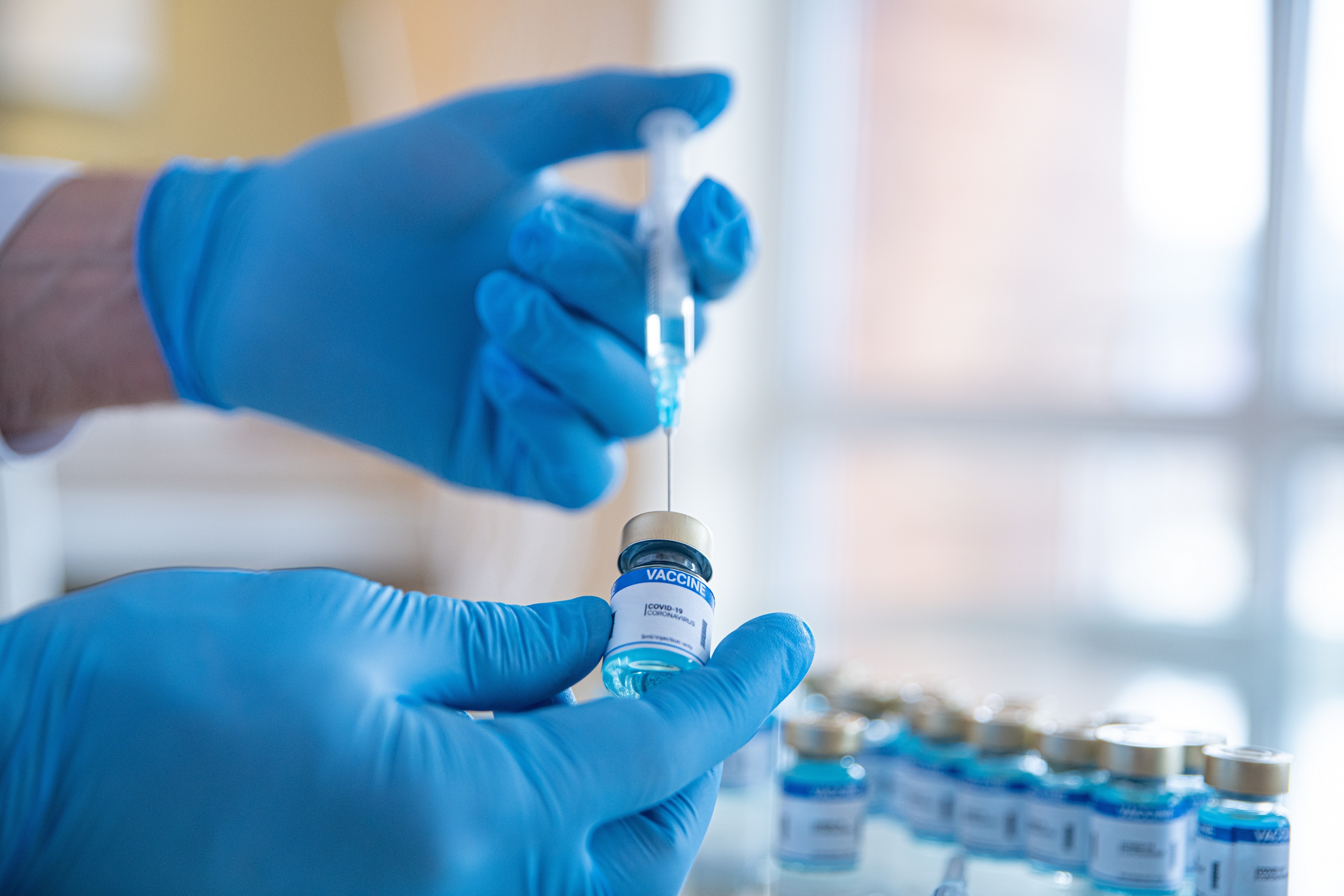
RNA technologies remain at an early stage of their potential. Over the coming decades, they’re expected to transform the treatment of infectious diseases, cancer and many other conditions that currently have limited therapeutic options.
For the UK, maintaining leadership in this field will require continued investment in infrastructure, skills and collaboration. Through the RNA Centre of Excellence, the UK RNA Biofoundry, the RNA Training Academy and its convening role within the scientific community, CPI is helping build the foundations for that future.
The legacy of the COVID-19 pandemic showed what is possible when science, industry and government work together at pace. By continuing to strengthen the UK’s RNA capability, we can ensure that the next generation of RNA medicines reaches patients faster and that the country remains ready to respond to the health challenges of tomorrow.

